
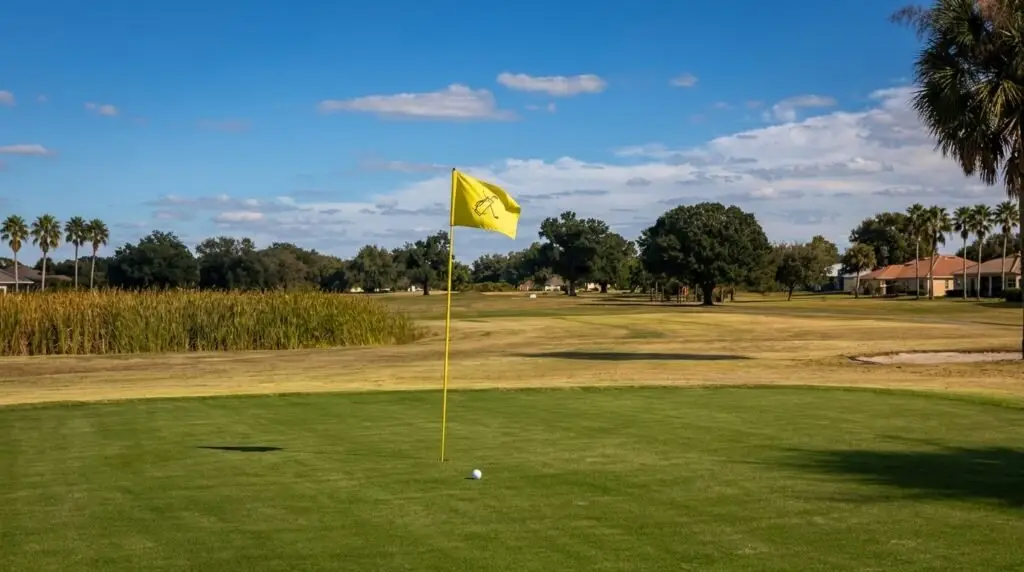
A great golf weekend is not created by stacking tee times until the itinerary squeaks.
The best trips balance golf with travel time, weather, food, recovery, local experiences, and enough breathing room to enjoy where you have gone.
Southwest Florida gives golfers several ways to build that balance. Visitors can combine public golf with waterfront dining, parks, boating, fishing, shopping, and historic districts around Punta Gorda and Port Charlotte. Punta Gorda’s official tourism resources highlight golf, harbor activities, parks, arts, shopping, dining, and watersports throughout the wider Charlotte Harbor area.
Paradise Golf Course adds an unusual option to that trip structure. Its championship 12-hole course allows golfers to play 12, 18, or 24 holes, and the facility promotes its core 12-hole round as a less-than-three-hour experience under suitable conditions. It also welcomes walkers and cart riders.
That flexibility makes it possible to plan a weekend around the experience you actually want:
- A relaxed 12-hole round followed by waterfront dining
- A traditional 18-hole golf day
- A longer 24-hole outing for a golf-focused group
- Practice and instruction before a shorter round
- Golf plus boating, shopping, parks, or sightseeing
- A couples’ weekend where only one partner plays
- A family getaway with a manageable course commitment
This guide explains how to choose the right area, season, airport, accommodation, round length, travel schedule, dining plan, and non-golf activities for a practical Southwest Florida golf weekend.
How Do You Plan a Southwest Florida Golf Weekend?
Use this basic sequence:
- Choose the part of Southwest Florida that matches your trip.
- Select the airport or driving route.
- Decide whether golf is the main event or one part of the weekend.
- Reserve accommodation near the course or evening activities.
- Book tee times before building the rest of the itinerary.
- Choose between 12, 18, and 24 holes based on time and energy.
- Check seasonal weather and thunderstorm patterns.
- Reserve club rentals when needed.
- Pack for heat, sun, rain, and casual evening plans.
- Add one or two realistic non-golf activities.
- Leave buffer time between the course, hotel, and airport.
- Verify current rates, restaurant hours, and the correct course address.
For a two-night weekend, most travelers should avoid scheduling two demanding 18-hole rounds unless golf is the primary purpose of the trip.
A balanced plan may include:
- Friday arrival and dinner
- Saturday golf plus a local activity
- Sunday shorter golf or practice before departure
Weekend Golf Trip at a Glance
| Planning Decision | Practical Recommendation |
|---|---|
| Trip length | Two or three nights |
| Main base | Punta Gorda, Port Charlotte, or a course-focused Arcadia stay |
| Core golf choice | 12 or 18 holes |
| Extended golf choice | 24 holes for prepared golfers |
| Airport options | Punta Gorda Airport or Southwest Florida International Airport |
| Tee-time preference | Earlier during warmer or wetter periods |
| Non-golf activity | Waterfront, parks, dining, shopping, boating, or cultural attractions |
| Equipment | Bring clubs or reserve rentals |
| Transportation | Rental car is usually the most flexible option |
| Weather preparation | Sun, heat, rain, and thunderstorm planning |
| Best itinerary principle | Protect travel and recovery buffers |
What Counts as Southwest Florida for This Trip?
“Southwest Florida” can describe a large region extending across multiple coastal and inland communities.
For a weekend centered on Paradise Golf Course, the most relevant planning corridor includes:
- Arcadia
- Port Charlotte
- Punta Gorda
- Charlotte Harbor
- Englewood and Gulf-side recreation
- The wider Fort Myers airport access area
Paradise Golf Course is located in Arcadia and describes itself as only minutes from Port Charlotte and Punta Gorda. Its website promotes an Old Florida natural setting, wildlife, public golf, and a championship 12-hole format.
This creates a useful split between:
- The golf location: Paradise Golf Course near Arcadia
- The accommodation and evening hub: Punta Gorda or Port Charlotte
- The waterfront and leisure layer: Charlotte Harbor and nearby Gulf Coast communities
- The air-travel layer: Punta Gorda Airport or Southwest Florida International Airport
Understanding those roles prevents the itinerary from becoming a pinball game across the map.
Why Southwest Florida Works for a Weekend Golf Trip
The region’s appeal is not limited to warm-weather golf.
A strong weekend destination needs enough variety to satisfy:
- Golfers
- Non-golfing partners
- Families
- Mixed-skill groups
- Travelers who want more than one activity
The Punta Gorda and Englewood Beach destination area promotes golf alongside boating, fishing, shelling, parks, trails, arts, nightlife, shopping, wellness, and dining. Its official tourism site lists more than 70 parks and preserves and over 200 miles of trails throughout the wider destination area.
Visit Florida also identifies waterfront parks, Fishermen’s Village, shopping, dining, museums, and cultural attractions around Punta Gorda and Port Charlotte.
The Main Weekend Advantages
Southwest Florida can support:
- Morning golf
- Afternoon waterfront activities
- Sunset dining
- Historic-district exploration
- Boating or harbor cruises
- Parks and wildlife viewing
- A shorter departure-day round
- Travel through two regional airports
The trip does not need to become a forced march through 36 holes.
Choose the Purpose of the Weekend Before Choosing the Hotel
The trip’s purpose should determine the base, not the other way around.
Start by selecting one of these trip styles.
Golf-First Weekend
Choose this when:
- Most travelers play golf
- The group wants 18 or 24 holes
- Practice time matters
- Early tee times are a priority
- Post-round rest matters more than nightlife
The best accommodation will usually minimize the drive to the golf course.
Balanced Golf and Leisure Weekend
Choose this when:
- The group wants one main golf round
- Non-golf activities matter
- Dining and waterfront time are priorities
- One or more travelers do not play golf
- The weekend should feel like a vacation rather than an event schedule
Punta Gorda or Port Charlotte may provide more convenient access to evening dining, waterfront areas, shopping, and attractions.
Couples’ Golf Weekend
Choose this when:
- Both partners play a shorter round
- Only one partner plays
- Dining and relaxation are important
- The itinerary needs independent activity options
A 12-hole round can keep golf from occupying the entire day.
Family Golf Weekend
Choose this when:
- Children are traveling
- Some family members are beginners
- Attention and heat need to be managed
- Parks and attractions are part of the plan
Use a shorter format, scramble, forward tees, or selected-hole participation.
Competitive Group Weekend
Choose this when:
- Scoring and matches are central
- Players want more than one round
- Everyone understands pace and etiquette
- The trip can absorb fatigue and weather changes
This group may prefer an 18-hole day followed by a 12-hole departure round.
Select the Best Base for Your Weekend
The best base depends on whether you prioritize golf access, waterfront atmosphere, airport convenience, or evening activities.
Punta Gorda
Punta Gorda is a strong choice for travelers who want:
- Waterfront scenery
- Restaurants
- Shopping
- Harbor activities
- Walkable leisure time
- Access to Punta Gorda Airport
Visit Florida highlights Fishermen’s Village as a waterfront destination with shopping, dining, entertainment, marina facilities, and nearby attractions.
The wider destination also promotes Harborwalk, waterfront parks, boating, arts, and dining.
Best For
- Couples
- Mixed golfer and non-golfer groups
- Travelers flying through PGD
- Visitors who want dining and waterfront time
Possible Limitation
Accommodation and attractions near the waterfront may not be the shortest possible drive to every inland golf activity.
Port Charlotte
Port Charlotte may work well for travelers seeking:
- Central road access
- Shopping
- Waterfront parks
- A practical hotel base
- Access to Punta Gorda and surrounding communities
Visit Florida highlights Port Charlotte Beach Park, shopping, golf, and proximity to Fishermen’s Village in Punta Gorda.
Best For
- Budget-conscious groups
- Road-trip travelers
- Golfers prioritizing practical access
- Families wanting flexible dining and shopping
Possible Limitation
The experience may feel more spread out than a concentrated waterfront stay.
Arcadia or Course-Focused Accommodation
A course-focused stay may suit travelers who:
- Want the smallest morning drive
- Have an early tee time
- Plan multiple golf sessions
- Care more about the course than evening waterfront activity
Best For
- Golf-first groups
- Early morning players
- Repeat Paradise visitors
- Travelers planning practice and instruction
Possible Limitation
A quieter inland base may require additional driving for harbor dining, shopping, or coastal recreation.
Split-Base Strategy
For a short weekend, changing hotels usually wastes time.
A split stay may make sense only when:
- The trip lasts three or more nights
- The group wants both inland golf and a coastal extension
- The final hotel significantly improves airport access
For a two-night trip, choose one base and drive to the activities.
Choosing the Right Airport
Southwest Florida has more than one practical arrival option.
The best airport depends on:
- Origin city
- Flight schedule
- Fare
- Baggage
- Golf-club transport
- Rental-car availability
- Arrival time
- Distance to the hotel and course
Punta Gorda Airport
Punta Gorda Airport, or PGD, is located off Interstate 75 between Sarasota and Fort Myers. The airport states that Allegiant and Sun Country provide nonstop service to more than 50 destinations, although individual routes may be seasonal.
Advantages
- Convenient for Punta Gorda and Charlotte Harbor trips
- Smaller regional-airport experience
- Rental-car and ground-transportation access
- Useful nonstop options from many origin cities
Questions to Check
- Is the route seasonal?
- Does the airline charge separately for golf clubs?
- Does the arrival time allow Friday-evening plans?
- Will a delayed or cancelled flight leave another same-day option?
- Are rental cars available at the selected time?
PGD lists car, taxi, van, shuttle, and other transportation services, with advance reservations recommended for certain needs.
Southwest Florida International Airport
Southwest Florida International Airport, or RSW, serves the broader Fort Myers region and provides rental cars, taxis, limousines, rideshare, and public transportation options.
Advantages
- Larger commercial airport
- Potentially broader flight choices
- Useful when combining the trip with Fort Myers or destinations farther south
- Multiple ground-transportation categories
Possible Limitation
The road journey to a Punta Gorda, Port Charlotte, or Arcadia-centered itinerary may be longer than arrival through PGD.
Driving to Southwest Florida
A road trip may be the simplest choice when:
- Travelers live within a manageable distance
- Multiple golfers are sharing equipment
- Clubs are difficult or expensive to fly
- The group wants flexible local transportation
- The itinerary includes multiple communities
Road-Trip Advantages
- No airline golf-bag handling
- Easier packing
- Flexible departure time
- Convenient equipment storage
- Easier travel between course, hotel, and attractions
Road-Trip Risks
- Weekend traffic
- Fatigue
- Weather
- Parking
- Arriving too late for a scheduled tee time
Do not schedule a tee time immediately after a long drive.
Arrival day should absorb traffic and delay without threatening the first round.
Should You Rent a Car?
For most golf weekends centered on Paradise Golf Course and the Punta Gorda or Port Charlotte area, a car provides the greatest flexibility.
It helps with:
- Transporting clubs
- Reaching the course
- Moving between hotel and waterfront areas
- Accessing restaurants
- Handling early tee times
- Responding to weather changes
- Carrying luggage and equipment
A no-car itinerary may work when:
- Accommodation and evening activities are concentrated near downtown Punta Gorda
- Golf transportation has been reserved separately
- The group does not plan to explore widely
However, relying on multiple rides for clubs, luggage, and early tee times can make the trip more fragile.
Best Time of Year for a Southwest Florida Golf Weekend
There is no single perfect month for every traveler.
The decision involves trade-offs among:
- Temperature
- Humidity
- Rain
- thunderstorms
- daylight
- demand
- course traffic
- accommodation prices
- personal heat tolerance
The National Weather Service identifies the Southwest Florida rainy season as generally running from May 15 through October 15. This period is associated with more frequent thunderstorms and weather-related hazards.
Late Fall Through Early Spring
This period may appeal to golfers who prioritize:
- Cooler conditions
- Lower humidity
- Reduced daily thunderstorm frequency
- Comfortable walking
- Longer outdoor dining windows
Possible Trade-Offs
- Higher seasonal demand
- Busier tee sheets
- Higher accommodation rates
- More advance booking pressure
Late Spring and Summer
This period may offer:
- Greater availability
- Potentially lower travel demand
- Long daylight windows
- A quieter feel during some periods
Challenges
- Heat
- Humidity
- Afternoon thunderstorms
- Heavy rain
- Weather delays
- Greater hydration needs
The official destination’s May guidance recommends morning outdoor activities before the stronger afternoon heat.
Early Fall
Early fall can still include:
- Heat
- Rain
- Tropical-weather uncertainty
- Variable course conditions
Travelers should protect reservations with flexible cancellation terms and monitor official forecasts.
Seasonal Planning Table
| Travel Period | Main Advantage | Main Risk | Recommended Golf Strategy |
| Late fall | Improving outdoor comfort | Seasonal demand rising | Book early |
| Winter | Comfortable golf conditions | Higher demand and pricing | Secure tee times and hotels well ahead |
| Early spring | Strong golf and outdoor balance | Busy travel periods | Use morning tee times |
| Late spring | More flexibility | Increasing heat and storms | Play early |
| Summer | Longer daylight and possible value | Heat, humidity, thunderstorms | Choose early 12-hole rounds |
| Early fall | Potentially quieter | Tropical and rain uncertainty | Use flexible plans |
Weather Should Shape the Itinerary
Do not treat weather as a small packing detail.
It affects:
- Tee-time selection
- Number of holes
- Walking or riding
- Hotel cancellation terms
- Non-golf backup plans
- Airport travel
- Course conditions
Morning Golf
Morning rounds may provide:
- Lower temperatures
- Lower chance of typical afternoon thunderstorm development
- More time to reschedule later activities
- Better energy for walking
Afternoon Golf
Afternoon rounds may provide:
- More relaxed morning plans
- Potential pricing advantages at some facilities
- Sunset light
But during the rainy season, an afternoon tee time may carry a greater risk of thunderstorm interruption.
Weather Buffer Rule
Do not schedule:
- A prepaid boat tour immediately after golf
- A flight shortly after the expected finish
- A formal dinner with no shower or travel buffer
- A second round without accounting for weather delay
How to Choose the Right Golf Course
The “best” course is not necessarily the most difficult, longest, or expensive.
Choose based on the trip.
1. Public Access
Confirm that visitors can book without:
- Club membership
- Resort stay
- Local residency
- Private invitation
Paradise Golf Course publishes public-player rates and booking access.
2. Round Length
Consider:
- Nine holes
- Twelve holes
- Eighteen holes
- Extended play
A shorter round may create a better travel day when the group also wants dining, waterfront time, or sightseeing.
3. Skill Compatibility
Review:
- Tee options
- Course length
- forced carries
- hazards
- pace expectations
- beginner policies
A mixed-skill group needs enough challenge for experienced players without making every hole punishing for beginners.
4. Practice Facilities
Paradise Golf Course currently lists:
- A full-length driving range
- An all-grass hitting area
- Practice targets
- Putting practice
- Chipping practice
- Bunker practice
- Group and individual instruction from PGA and LPGA professionals
These facilities can support:
- Friday practice
- Pre-round warm-up
- Beginner instruction
- Post-round improvement
5. Club Rentals
Rental clubs can reduce air-travel complications.
Confirm:
- Right-handed or left-handed availability
- Adult or junior sizing
- Set quality
- Price
- Reservation process
- Return time
Paradise’s current rates page lists club rental and pull-cart rental, but availability should be confirmed before travel.
6. Walking and Riding
Paradise welcomes walkers and cart riders, allowing the group to match the playing method to weather, fitness, and preference.
7. Food and Clubhouse Services
Confirm:
- Restaurant days and hours
- Breakfast availability
- Post-round food
- Beverage service
- Group seating
- Seasonal closures
Paradise has a dining page, but current hours and service details should be verified rather than assumed.
Why a 12-Hole Round Can Improve a Weekend Trip
A traditional 18-hole round can occupy four to five hours of play, plus check-in, warm-up, travel, and post-round time.
A 12-hole round can leave room for:
- Waterfront lunch
- Hotel check-in
- Shopping
- A harbor walk
- A museum
- A cruise
- Family time
- Rest before dinner
At Paradise, the core 12-hole experience is promoted as taking less than three hours under suitable conditions.
Choose 12 Holes When
- Arrival was late the previous evening
- The group includes beginners
- Some travelers do not play
- The weather window is uncertain
- Dining and sightseeing matter
- The trip includes young or older golfers
- Another round is planned the next day
Choose 18 Holes When
- Golf is the central Saturday activity
- Everyone is prepared
- Weather is favorable
- The group wants traditional scoring
- No major afternoon commitment exists
Choose 24 Holes When
- The trip is golf-first
- Players have enough energy
- Weather and daylight are suitable
- Food and hydration have been planned
- The extended routing has been confirmed
Paradise Golf Course as the Weekend Anchor
Paradise Golf Course can serve as the golf anchor while Punta Gorda and Port Charlotte provide the wider travel experience.
Its current offering includes:
- Championship 12-hole golf
- 12-, 18-, and 24-hole options
- Walking and riding
- Public rates
- Club and pull-cart rentals
- Practice facilities
- Professional instruction
- Natural scenery and wildlife
Why It Fits a Short Trip
The course lets travelers build golf around the weekend instead of building the entire weekend around a fixed 18-hole block.
A group can:
- Play 12 after a Friday arrival
- Play 18 on Saturday
- Use the range before Sunday departure
- Play 24 when golf is the main purpose
- Divide mixed-skill travelers between practice and course play
Important Address Verification
Paradise Golf Course’s current website displays both 8134 and 8135 SW Sunnybreeze Road in different visible areas.
The contact page itself contains both street numbers.
Before driving, publishing local schema, or finalizing an itinerary:
- Confirm the correct address directly with the course
- Standardize the website header and footer
- Update the contact page
- Match the Google Business Profile
- Match booking confirmations
- Match maps and local directories
A golf weekend should include one address, not a small scavenger hunt.
Build the Weekend Around One Primary Golf Day
A common planning mistake is treating both Saturday and Sunday as full golf days.
That can make the trip feel rushed, especially when Sunday includes:
- Hotel checkout
- Luggage
- Equipment
- Airport travel
- Rental-car return
- Flight security
A better structure is often:
Friday
- Travel
- Check in
- Dinner
- Prepare equipment
- Sleep
Saturday
- Primary golf round
- Lunch or rest
- One local activity
- Dinner
Sunday
- Shorter round, practice, or non-golf activity
- Lunch
- Departure with a generous buffer
The Primary-Round Principle
Choose one round that matters most.
Reserve the best available time for it.
Everything else should remain flexible.
This protects the weekend from becoming a spreadsheet wearing golf shoes.
Four Weekend Models
Model 1: Relaxed Couples’ Weekend
Friday
- Arrival
- Waterfront dinner
- Early night
Saturday
- 12-hole round
- Lunch
- Harborwalk or shopping
- Sunset dining
Sunday
- Breakfast
- Practice or sightseeing
- Departure
Model 2: Friends’ Golf Weekend
Friday
- Arrival
- Casual dinner
- Equipment check
Saturday
- 18 holes
- Post-round meal
- Evening social plans
Sunday
- 12 holes
- Lunch
- Departure
Model 3: Family Golf Weekend
Friday
- Check in
- Family dinner
Saturday
- Practice facility
- 12-hole scramble
- Pool, park, or waterfront activity
Sunday
- Fishermen’s Village or another family attraction
- Departure
Model 4: Golf-First Weekend
Friday
- Arrival
- Range session
Saturday
- 24 holes or 18 holes plus practice
- Post-round meal
Sunday
- 12 holes
- Departure
Choose Non-Golf Activities by Travel Friction
Do not select attractions only because they appear on a “top 25” list.
Choose activities that fit:
- Hotel location
- Golf finishing time
- Weather
- Parking
- Group interest
- Required reservations
Low-Friction Options
Examples around Punta Gorda and Port Charlotte include:
- Fishermen’s Village
- Waterfront dining
- Harborwalk
- Port Charlotte Beach Park
- Downtown shopping
- A nearby museum
- Short waterfront walks
Visit Florida identifies Fishermen’s Village as a waterfront shopping, dining, entertainment, and marina destination. It also highlights nearby cultural attractions such as the Military Heritage Museum.
Reservation-Based Options
Examples include:
- Harbor cruises
- Fishing charters
- Guided paddling
- Special events
- Formal dining
King Fisher Fleet, for example, offers sightseeing cruises in Charlotte Harbor and the Peace River from Fishermen’s Village.
Schedule these only when enough travel and weather buffer exists after golf.
Weekend-Planning Checkpoint
The first stage of the weekend plan now establishes that:
- Southwest Florida should be treated as a collection of communities rather than one single destination.
- A Paradise-centered trip can use Arcadia for golf and Punta Gorda or Port Charlotte for accommodation and leisure.
- Punta Gorda offers waterfront dining, shopping, harbor activities, parks, and cultural attractions.
- Punta Gorda Airport provides nonstop service through Allegiant and seasonal Sun Country routes, with more than 50 destinations promoted by the airport.
- Southwest Florida International Airport provides another regional air-access option with multiple ground-transportation categories.
- A rental car usually provides the most flexible golf-weekend transport.
- The Southwest Florida rainy season generally runs from May 15 through October 15.
- Morning tee times are particularly useful during hotter and wetter periods.
- Course selection should account for public access, round length, skill level, practice, rentals, walking, riding, and food.
- Paradise offers 12-, 18-, and 24-hole options and promotes the 12-hole round as a less-than-three-hour experience.
- Paradise lists public rates, rentals, practice facilities, and professional instruction.
- The website’s 8134 versus 8135 address conflict must be resolved before publication.
- A weekend should generally have one primary golf day and one flexible golf or leisure day.
- Attractions should be selected by location and schedule, not merely popularity.
- A 12-hole round can create enough space for golf and a meaningful Southwest Florida experience in the same day.
Build the Weekend Around Fixed Commitments First
A successful golf itinerary should be built in layers.
Start with the commitments that are hardest or most expensive to change:
- Flights or driving schedule
- Accommodation
- Primary tee time
- Rental car
- Reserved attractions
- Dining plans
- Flexible activities
Do not begin by filling every hour.
Travel delays, weather, slow play, equipment collection, and course traffic can all stretch the schedule. A weekend with no open space becomes fragile. One delayed flight can knock the itinerary over like a row of nervous dominoes.
The Anchor-and-Flex Planning Method
Use two types of activities.
Anchor Activities
These are scheduled in advance:
- Flight
- Hotel check-in
- Main golf round
- Rental car
- Harbor cruise
- Special dinner
- Departure
Flexible Activities
These can move according to weather and energy:
- Driving-range session
- Waterfront walk
- Shopping
- Casual lunch
- Hotel pool
- Practice green
- Museum
- Additional golf holes
A useful weekend should contain no more than two or three major anchors per day.
Recommended Two-Night Weekend Structure
| Day | Primary Purpose | Recommended Anchor |
|---|---|---|
| Friday | Arrival and recovery | Hotel check-in |
| Saturday | Main golf experience | Primary tee time |
| Sunday | Flexible golf or sightseeing | Departure |
This structure protects the most important round while keeping departure day manageable.
Complete Friday-to-Sunday Southwest Florida Golf Itinerary
Friday: Arrival, Check-In, and Preparation
Friday should absorb travel uncertainty.
Do not place the weekend’s most important tee time immediately after a flight or long drive unless the itinerary includes a substantial buffer.
Friday Afternoon Arrival Plan
1. Collect Luggage and Golf Equipment
Before leaving the airport, confirm:
- Golf travel bag arrived
- Clubs are undamaged
- Shoes and essential golf clothing are present
- Rental-car reservation is active
- Hotel address is correct
- Tee-time confirmation is accessible
Photograph the condition of valuable golf equipment before and after air travel when useful for a damage claim.
2. Collect the Rental Car
A rental car usually offers the greatest flexibility for a Paradise-centered weekend because the itinerary may involve:
- Airport
- Hotel
- Golf course
- Restaurants
- Waterfront attractions
- Shopping
- Equipment transportation
Punta Gorda Airport currently promotes nonstop service to more than 50 destinations through Allegiant and seasonal Sun Country operations. It also provides rental-car and other ground-transportation options. Routes and schedules should be checked for the specific travel dates.
3. Drive to the Hotel
Do not estimate arrival using flight-landing time alone.
Allow for:
- Taxiing
- Baggage claim
- Oversize golf-bag collection
- Rental-car paperwork
- Parking-lot exit
- Road traffic
- Food stops
A flight landing at 3:00 p.m. does not necessarily place the traveler at the hotel by 3:30 p.m.
4. Check In and Reset
Use the first hotel stop to:
- Inspect clubs
- Charge devices
- Confirm Saturday’s tee time
- Check the weather
- Organize clothing
- Fill water bottles
- Apply any required luggage or equipment repairs
5. Choose a Low-Risk Friday Activity
Good Friday options include:
- Casual waterfront dinner
- Short downtown walk
- Fishermen’s Village
- Hotel relaxation
- Quick pro-shop or course visit when practical
- Early sleep
Fishermen’s Village is an official waterfront shopping, dining, marina, entertainment, and accommodation destination in Punta Gorda. Downtown Punta Gorda also offers a walkable waterfront setting with restaurants, shops, live entertainment, and sunset views.
Activities to Avoid on Friday
Avoid scheduling:
- A prepaid late-afternoon tee time after a flight
- A long drive followed by 18 holes
- A distant attraction with strict arrival requirements
- A late dinner before an early tee time
- Multiple stops between the airport and hotel
Friday Evening Equipment Checklist
Before sleeping, prepare:
- Golf shirt
- Shorts or pants
- Socks
- Shoes
- Hat
- Glove
- Balls
- Tees
- Towel
- Sunscreen
- Sunglasses
- Rain layer
- Water
- Personal medication
- Tee-time confirmation
- Identification and payment
Place the items together rather than conducting a hotel-room archaeological dig at sunrise.
Saturday: The Primary Golf Day
Saturday should contain the weekend’s most important round.
The best tee time depends on:
- Season
- Weather
- Group ability
- Number of holes
- Evening plans
- Desired warm-up
- Walking or riding
Recommended Saturday Timeline for a 12-Hole Round
| Time | Activity |
| 7:00 a.m. | Breakfast |
| 7:45 a.m. | Leave hotel |
| 8:15 a.m. | Check in |
| 8:25 a.m. | Warm up |
| 8:45 a.m. | Putting practice |
| 9:00 a.m. | Tee time |
| 11:45 a.m.–12:15 p.m. | Finish |
| 12:30 p.m. | Lunch |
| 2:00 p.m. onward | Waterfront, shopping, rest, or another activity |
Paradise Golf Course describes its championship 12-hole round as playable in less than three hours under suitable conditions. It also offers 18- and 24-hole options and welcomes walkers and cart riders.
Why This Schedule Works
It allows:
- A complete warm-up
- A realistic playing window
- A relaxed lunch
- Hotel rest
- Waterfront time
- Evening dining
The golf round becomes the center of the day without consuming every available hour.
Recommended Saturday Timeline for 18 Holes
| Time | Activity |
| 6:30 a.m. | Breakfast |
| 7:15 a.m. | Leave hotel |
| 7:45 a.m. | Check in and warm up |
| 8:30 a.m. | Begin round |
| 12:45–1:30 p.m. | Expected finish range |
| 1:30–2:30 p.m. | Lunch |
| 3:00–5:00 p.m. | Rest or low-effort activity |
| Evening | Dinner |
Why the Evening Should Remain Light
After 18 holes, golfers may need:
- Shower
- Hydration
- Food
- Rest
- Equipment care
- Extra travel time
Avoid scheduling a distant prepaid activity immediately after the theoretical finishing time.
Recommended Saturday Timeline for 24 Holes
| Time | Activity |
| 6:00 a.m. | Breakfast |
| 6:45 a.m. | Leave hotel |
| 7:15 a.m. | Check in |
| 7:30 a.m. | Warm up |
| 8:00 a.m. | Begin play |
| Afternoon | Food and hydration break |
| Mid-to-late afternoon | Expected completion |
| Evening | Recovery and casual meal |
Who Should Choose 24 Holes?
Twenty-four holes suit golfers who:
- Are physically prepared
- Have reserved most of the day
- Understand the course
- Want golf to be the weekend’s main event
- Have suitable weather
- Have planned food and hydration
- Do not have a strict evening schedule
It is generally not the best option for:
- Beginners
- Young children
- Late arrivals
- Travelers with an early Sunday flight
- Groups with mixed enthusiasm
- Golfers unfamiliar with Florida heat
Sunday: Protect the Departure Buffer
Sunday is where attractive itineraries often become operational confetti.
Hotel checkout, luggage, wet golf clothing, club packing, traffic, rental-car return, and airport security can consume more time than expected.
The safest Sunday plan is shorter and more flexible than Saturday.
Sunday Option 1: Practice and Depart
Best for:
- Early flights
- Tired golfers
- Families
- Uncertain weather
- Players who completed 18 or 24 holes Saturday
Example Schedule
- Breakfast
- Hotel checkout preparation
- Short driving-range or putting session
- Early lunch
- Airport or road departure
Paradise currently promotes a full-length driving range, grass hitting area, targets, putting, chipping, bunker practice, and professional instruction. Facility availability should be confirmed for the planned visit.
Sunday Option 2: Twelve Holes and Depart Later
Best for:
- Late-afternoon or evening flight
- Short drive home
- Golf-first travelers
- Groups with equipment already organized
Required Buffer
After the expected finish, allow time for:
- Shower or clothing change
- Equipment return
- Club cleaning
- Lunch
- Hotel luggage collection
- Fuel
- Rental-car return
- Airport processing
Do not schedule a noon finish followed by an early-afternoon flight.
Sunday Option 3: Non-Golf Morning
Suitable activities may include:
- Waterfront walk
- Breakfast or brunch
- Fishermen’s Village
- Local shopping
- Park visit
- Downtown Punta Gorda
- Short museum visit
The official destination site describes downtown Punta Gorda as a walkable waterfront district with restaurants, shopping, live music, and harbor views.
Sunday Option 4: Flexible Weather Recovery Round
When Saturday golf is cancelled or shortened, Sunday may become the replacement golf day.
This is one reason Sunday should not be packed with nonrefundable activities.
Comparing 12-, 18-, and 24-Hole Weekend Structures
Twelve-Hole Weekend Structure
Best For
- Couples
- Families
- Beginners
- Travelers
- Mixed golfer and non-golfer groups
- Warm-weather visits
- Golf plus sightseeing
Example
Friday
Arrival and waterfront dinner
Saturday
Twelve holes, lunch, downtown or harbor activity
Sunday
Practice, brunch, departure
Advantages
- More recovery time
- Flexible sightseeing
- Lower fatigue
- Easier weather adjustment
- Better fit for mixed groups
Limitation
Dedicated golfers may want more play.
Eighteen-Hole Weekend Structure
Best For
- Experienced recreational players
- Traditional scoring
- Friends’ trips
- Competitive groups
- Golf-centered Saturday
Example
Friday
Arrival and dinner
Saturday
Eighteen holes and relaxed evening
Sunday
Practice or non-golf activity
Advantages
- Familiar full-round experience
- More scoring opportunities
- Longer social round
- Stronger competitive structure
Limitations
- Larger time commitment
- Greater fatigue
- Less room for Saturday activities
- More weather exposure
Twenty-Four-Hole Weekend Structure
Best For
- Golf-first groups
- Fit, experienced players
- Repeat visitors
- Travelers with a large weather window
Example
Friday
Arrival and range session
Saturday
Twenty-four holes
Sunday
Recovery, brunch, departure
Advantages
- Maximum golf
- Extended course experience
- Strong group immersion
- Good use of a dedicated golf day
Limitations
- Highest physical demand
- Largest weather exposure
- Requires most of the day
- Can weaken Sunday energy
- Not suitable for every traveler
Hybrid Weekend Structure
A hybrid weekend may provide the strongest balance.
Recommended Hybrid
- Saturday: 18 holes
- Sunday: 12 holes or practice
Alternative Hybrid
- Saturday: 12 holes and sightseeing
- Sunday: another 12 holes
The second alternative creates 24 total holes across two days while reducing single-day fatigue.
How to Choose Accommodation
Do not choose a hotel based only on the lowest displayed nightly rate.
The cheapest room can become expensive when it creates:
- Long drives
- Parking charges
- Difficult club storage
- Early departures
- Repeated rideshares
- Lost leisure time
Accommodation Decision Framework
Score each property on:
- Drive to golf
- Airport access
- Evening dining
- Parking
- Club storage
- Breakfast
- Cancellation policy
- Pool or recovery amenities
- Room size
- Total price after fees
Stay Near Punta Gorda When…
Choose a Punta Gorda base when:
- Waterfront dining matters
- Non-golfers need activities
- PGD is the arrival airport
- Walkable evening options are valuable
- The group wants downtown atmosphere
Punta Gorda’s official tourism resources emphasize its waterfront, parks, shops, restaurants, live entertainment, and small-town downtown environment.
Stay Near Port Charlotte When…
Choose Port Charlotte when:
- Central road access matters
- The group wants broad hotel and dining choices
- Practical convenience is more important than walkability
- Shopping or family services are useful
- The itinerary includes both Punta Gorda and inland activities
Stay Near the Course When…
Choose a course-focused location when:
- Tee time is very early
- Golf is the primary activity
- The group expects multiple golf visits
- Evening waterfront access is secondary
- Travel fatigue should be minimized
Hotel Questions Golfers Should Ask
Before booking, confirm:
- Is parking included?
- Is there room for golf bags?
- Can luggage be stored after checkout?
- Is breakfast available before the tee time?
- Are refrigerators included?
- Is late check-in supported?
- Is there a resort or destination fee?
- What is the cancellation policy?
- Is the room accessible by elevator?
- Are wet golf clothes or shoes likely to create storage problems?
Vacation Rental vs. Hotel
A Vacation Rental May Be Better When…
- Four or more travelers are sharing
- The group wants a kitchen
- Laundry matters
- Separate bedrooms are needed
- A longer stay is planned
A Hotel May Be Better When…
- The trip is only two nights
- Late arrival is expected
- Front-desk support matters
- Daily housekeeping is useful
- Walkable dining is a priority
Hidden Vacation-Rental Costs
Review:
- Cleaning fee
- Service fee
- Parking
- Minimum stay
- Checkout requirements
- Cancellation restrictions
Tee-Time Booking Strategy
Tee times should be reserved before building the detailed daily itinerary.
Golf is less flexible than lunch or a waterfront walk.
How Early Should You Book?
The appropriate window depends on:
- Season
- Group size
- Preferred time
- Holiday weekends
- Special events
- Course policy
During high-demand travel periods, reserve as soon as the course’s booking window allows.
Book Earlier When…
- Four golfers need one tee time
- The group wants an early morning
- The visit falls in a popular seasonal period
- Rental sets are needed
- The trip occurs on a holiday weekend
- A specific 12-, 18-, or 24-hole plan is required
Questions to Ask Before Confirming
- What is included in the rate?
- Is the price for walking or riding?
- What number of holes does the booking cover?
- Can the round be extended?
- Are rental clubs available?
- Are range balls included?
- What is the cancellation policy?
- What happens during a weather interruption?
- Is outside food or drink permitted?
- Are carts shared?
- Are juniors allowed at that time?
- What time should the group arrive?
Paradise currently publishes public rates, walking options, club rental, pull-cart rental, range fees, and booking access. Rates and operating periods can change, so the live rate page should remain the pricing source.
Morning Tee Times
Advantages
- Cooler starting conditions
- Greater scheduling certainty
- More afternoon flexibility
- Less accumulated course congestion
- More time to recover from weather disruption
Possible Disadvantages
- Early wake-up
- Limited breakfast options
- Morning maintenance
- Dew
- Higher demand during popular periods
Afternoon Tee Times
Advantages
- Relaxed morning
- Potential pricing differences
- Attractive late-day light
- Useful after a Friday arrival
Possible Disadvantages
- Greater heat
- Thunderstorm exposure during rainy season
- Less recovery time after delay
- Risk of limited daylight
- Dinner timing pressure
The National Weather Service defines the Southwest Florida rainy season as May 15 through October 15, a period associated with increased thunderstorm activity. Earlier outdoor scheduling generally provides more room to respond when later weather develops.
Sunrise Tee-Time Myth
The earliest tee time is not automatically ideal for every traveler.
Avoid it when:
- The group arrives late Friday
- Travelers are crossing time zones
- The hotel does not offer early food
- Children are involved
- A long drive is required
- Golfers need rental equipment or a substantial warm-up
Choose a time that supports both pace and sleep.
Airport-Day Scheduling
Never Use Flight Time as the Only Buffer
A proper airport calculation includes:
- Golf finish
- Equipment return
- Clothing change
- Lunch
- Drive
- Fuel
- Rental-car return
- Golf-bag handling
- Security
- Boarding
Recommended Flight-Day Rule
Avoid beginning a full 18-hole round on departure day unless:
- The flight is late
- The airport is reasonably accessible
- The group has a large contingency window
- The course accepts weather uncertainty
- Travelers are willing to abandon the round when necessary
Departure-Day Buffer Framework
| Activity | Suggested Buffer |
| Finish to leave course | 20–40 minutes |
| Course to hotel or luggage | Route-dependent |
| Food stop | 30–60 minutes |
| Fuel and rental return | 20–45 minutes |
| Oversize golf-bag handling | Additional airport time |
| Security and boarding | Follow airline and airport guidance |
| Traffic contingency | 30–60+ minutes |
Flying Through Punta Gorda Airport
PGD is located off Interstate 75 between Sarasota and Fort Myers and currently promotes service through Allegiant and seasonal Sun Country routes. Flight schedules can be less frequent than those at a large hub, so missing a departure may create a larger disruption.
Practical PGD Strategy
- Recheck flight status
- Prepay baggage when useful
- Confirm golf-club fees
- Return the rental car with a buffer
- Do not assume a later same-day replacement flight exists
Flying Through RSW
A larger airport may offer more flight options, but the itinerary must include the additional road journey from the Punta Gorda, Port Charlotte, or Arcadia area.
Do not select RSW solely because the airfare is lower without comparing:
- Rental cost
- Fuel
- Travel time
- Arrival hour
- Departure convenience
- Baggage rules
Transportation Buffers Within the Weekend
Travel maps display estimated movement under ordinary conditions.
They do not account for:
- Luggage loading
- Golf bags
- Parking
- Road construction
- Weather
- Wrong turns
- Event traffic
- Fuel
- Group members moving at different speeds
Local Buffer Rules
Add:
- 15 minutes to a simple hotel-to-course trip
- 20–30 minutes when visiting a new course
- 30 minutes before a reserved waterfront activity
- More time during heavy rain or major events
Do Not Use Back-to-Back Geography
Avoid schedules such as:
- Golf ends at 1:00 p.m.
- Harbor cruise begins at 1:30 p.m.
- Course, hotel, parking, and marina are separate locations
The schedule appears efficient only because several real-world steps have been deleted.
Couples’ Weekend Variations
When Both Partners Play
Use:
- A 12-hole Saturday round
- Shared practice session
- Lunch
- Waterfront afternoon
- Dinner
This structure gives both golfers a meaningful round without allowing the course to consume the couples’ getaway.
When Only One Partner Plays
Schedule the golf round near activities the other partner genuinely wants.
Possible non-golf options include:
- Downtown shopping
- Waterfront walking
- Spa or hotel relaxation
- Fishermen’s Village
- Café or brunch
- Museum
- Photography
- Harbor activity
Do not describe three hours alone in a hotel room as a “relaxing companion itinerary.”
Couples’ 18-Hole Strategy
When one partner plays 18:
- Select an early tee time
- Arrange independent transportation where possible
- Choose a clear post-round meeting location
- Avoid promising an exact finishing minute
- Build a shower and travel buffer before dinner
Friends’ Golf Weekend Variations
Competitive Group
Create:
- Saturday 18-hole primary match
- Sunday 12-hole rematch
- Stableford, match play, or team formats
- Pre-agreed scoring and handicaps
Casual Group
Choose:
- 12 holes
- Scramble
- Lunch
- Waterfront evening
- Optional Sunday practice
Mixed-Ability Group
Use:
- Different tee sets
- Maximum Score
- Stableford
- Team scramble
- Ready golf
The weekend should not turn one beginner into the group’s ceremonial apology department.
Family Weekend Variations
Family With Young Children
Recommended structure:
- Short practice activity
- Selected-hole or scramble participation
- 9 or 12 holes
- Cart when suitable
- Pool, park, or waterfront activity afterward
Family With Teen Golfers
Possible structure:
- Saturday 12 or 18 holes
- Skills challenge
- Sunday practice
- Shared scoring game
Multi-Generational Family
Plan for:
- Different tees
- Walking and riding choices
- Shade and hydration
- Restrooms
- Flexible participation
- Accessible dining
Family Pace Tools
Use:
- Scramble
- Maximum Score
- Alternate shot
- Putting-only participation
- Forward tees
- Planned snack break
Backup Plans for Heat
Heat should change the day’s structure, not merely the beverage order.
Heat-Adjusted Golf Plan
- Choose an earlier tee time
- Select 12 instead of 18 holes
- Ride rather than walk when appropriate
- Use lightweight clothing
- Bring water
- Apply sunscreen
- Schedule indoor afternoon activities
- Avoid a second demanding outdoor event
When to Reduce the Number of Holes
Consider shortening the round when:
- Travelers slept poorly
- The previous day involved heavy activity
- The group includes children
- Heat tolerance is uncertain
- A player feels unwell
- The itinerary includes another outdoor commitment
A 12-hole option allows the group to complete a planned round rather than abandoning an 18-hole experience midway.
Backup Plans for Rain
Rain does not always cancel golf.
It may create:
- Cart-path-only conditions
- Slower play
- Wet grips
- Reduced roll
- Mud
- Temporary course restrictions
Rain Packing
Carry:
- Lightweight rain jacket
- Umbrella
- Towel
- Extra glove
- Dry socks
- Bag cover
- Waterproof pouch
- Change of clothes
Rainy-Day Itinerary Options
When the course remains open:
- Play a shorter round
- Ride when suitable
- Allow more time
- Skip the extended holes
- Move waterfront activities indoors
When the course closes:
- Reschedule golf for Sunday
- Use an indoor attraction
- Shop or dine
- Rest
- Review later tee-time availability
Backup Plans for Thunderstorms
Thunder and lightning require a different response from ordinary rain.
Stop play and follow course instructions.
Do not:
- Shelter beneath a tree
- Remain in an open structure
- Treat a golf cart as safe lightning shelter
- Continue because only a few holes remain
Thunderstorm-Resilient Weekend Design
Build the itinerary with:
- An early primary tee time
- Flexible afternoon
- Open Sunday window
- Refundable or changeable reservations
- Indoor backup options
- Weather alerts enabled
During Southwest Florida’s defined rainy season, thunderstorm planning should be treated as part of the itinerary rather than an unexpected plot twist.
Backup Plans for Travel Disruption
Flight Delayed Friday
Use this hierarchy:
- Preserve Saturday’s primary round.
- Cancel Friday activities.
- Notify the hotel.
- Confirm late rental-car collection.
- Eat simply and rest.
Do not sacrifice Saturday sleep to recreate every missed Friday plan after midnight.
Golf Clubs Delayed
Options include:
- Rental set
- Shared non-playing accessories
- Pro-shop essentials
- Revised warm-up
- Shorter round
Paradise currently lists club rental, but the correct handedness and availability should be reserved or confirmed before depending on it.
Saturday Golf Cancelled
Move the main round to Sunday only when departure timing safely permits.
Otherwise:
- Use the practice facility when open
- Rebook a shorter round
- Request the course’s weather-policy options
- Preserve the trip through dining and local activities
Rental-Car Delay
Notify the golf course when the delay may affect the tee time.
Do not attempt to recover time through unsafe driving.
How to Build a Flexible Dining Plan
Dining should support the golf schedule.
It should not become another strict checkpoint.
Breakfast Before Golf
Choose food that provides:
- Carbohydrates
- Protein
- Fluids
- Familiar digestion
Avoid experimenting with an enormous holiday breakfast immediately before walking in heat.
Lunch After 12 Holes
A 12-hole finish often leaves enough time for:
- Clubhouse lunch
- Waterfront dining
- Hotel rest
- Afternoon activities
Lunch After 18 Holes
Keep the rest of the afternoon light.
Players may need time to:
- Cool down
- Shower
- Store equipment
- Rehydrate
Paradise Dining
Paradise Golf Course maintains a dining page, but service days, hours, and seasonal availability should be checked directly before the weekend.
Dinner Reservations
Reserve when:
- Traveling during a busy season
- Dining with a large group
- Choosing a popular waterfront restaurant
- Celebrating an event
Build at least 90 minutes between the expected golf finish and a formal dinner when travel and shower time are involved.
The Best Weekend Structure by Traveler Type
| Traveler | Saturday | Sunday |
| First-time golfer | 12 holes | Practice or sightseeing |
| Experienced pair | 18 holes | 12 holes |
| Couples | 12 holes and waterfront | Brunch or sightseeing |
| Family | 12-hole scramble | Family activity |
| Golf-first friends | 18 or 24 holes | 12 holes |
| Solo traveler | 12 or 18 holes | Practice and departure |
| Senior group | Early 12 or 18 holes | Flexible morning |
| Mixed group | 12-hole team format | Non-golf activity |
Weekend Booking Checklist
Travel
- Flights or driving route confirmed
- Golf-bag policy checked
- Rental car reserved
- Hotel booked
- Cancellation terms saved
- Travel insurance considered where appropriate
Golf
- Tee time booked
- Number of holes confirmed
- Walking or riding confirmed
- Club rentals reserved
- Tee selection reviewed
- Practice time planned
- Weather policy checked
- Cancellation policy checked
Local Planning
- One primary activity selected
- One weather backup selected
- Dining hours checked
- Parking considered
- Attraction reservations confirmed
- Sunday departure buffer protected
Paradise-Specific Verification
- Correct navigation address confirmed
- Live rates checked
- 12-, 18-, or 24-hole plan confirmed
- Club rental availability checked
- Practice-facility availability checked
- Dining hours checked
- Course conditions reviewed
Paradise’s official pages currently show conflicting street numbers in different places, although the current contact result lists 8134 SW Sunnybreeze Road. The business should standardize all visible location information, and travelers should confirm the destination before driving.
Weekend-Execution Checkpoint
The practical itinerary now establishes that:
- Friday should absorb travel risk rather than carry the primary golf round.
- Saturday should contain the weekend’s most important tee time.
- Sunday should remain shorter and flexible because of checkout and departure.
- Anchor activities should be booked first, while secondary activities remain movable.
- A 12-hole Saturday creates the most room for waterfront, dining, and leisure plans.
- An 18-hole Saturday works best when golf is the primary activity.
- A 24-hole day requires fitness, favorable weather, and minimal evening commitments.
- Accommodation should be selected through total trip friction, not room price alone.
- Punta Gorda is particularly useful for waterfront dining, shopping, walkability, and PGD access.
- Port Charlotte can serve as a practical central base for driving, hotels, shopping, and family needs.
- A course-focused stay may suit early tee times and golf-first groups.
- Tee times should be booked before flexible attractions.
- Morning golf offers the strongest weather and scheduling flexibility during hotter and wetter periods.
- Southwest Florida’s rainy season runs from May 15 through October 15.
- Airport-day golf requires buffers for clubs, clothing, food, fuel, rental return, and security.
- Couples, friends, families, and mixed-skill groups require different round structures.
- Rain should trigger itinerary adjustment, while lightning requires play to stop.
- Friday delays should not be allowed to destroy Saturday sleep and preparation.
- Sunday should remain available as a weather-recovery option when possible.
- Paradise’s 12-, 18-, and 24-hole choices allow the weekend to expand or contract according to time, energy, and weather.
Complete Packing and Budget Guide for a Southwest Florida Golf Weekend
A successful golf trip is not built by placing half the closet into a suitcase and hoping the zipper develops character.
The goal is to carry everything required for:
- Golf
- Florida weather
- Travel delays
- Evening activities
- Equipment problems
- Personal comfort
- Safe transportation
without creating an oversized luggage caravan.
The most effective system separates packing into four categories:
- Play: Equipment used during the round
- Wear: Clothing and footwear
- Protect: Sun, rain, heat, and personal safety items
- Recover: Clean clothing, food, medication, and post-round essentials
Southwest Florida Golf Weekend Master Checklist
Golf Equipment
- Golf clubs or confirmed rental reservation
- Golf travel bag when flying
- Golf balls
- Tees
- Golf glove
- Spare glove
- Golf towel
- Ball marker
- Divot repair tool
- Rangefinder or GPS device
- Club-cleaning brush
- Umbrella
- Rain hood or bag cover
- Scorecard holder when useful
- Permanent marker for identifying balls
Golf Clothing
- Golf shirts
- Golf shorts, pants, skirt, or skort
- Golf socks
- Golf shoes
- Lightweight hat or visor
- Sunglasses
- Belt
- Lightweight rain jacket
- Spare shirt
- Spare socks
- Optional light layer for cooler mornings
Weather and Personal Protection
- Broad-spectrum sunscreen
- Refillable water bottle
- Electrolyte option when personally appropriate
- Lip protection
- Insect repellent
- Small first-aid kit
- Blister treatment
- Personal medication
- Weather-alert access
- Waterproof pouch for phone and valuables
Travel Essentials
- Identification
- Payment cards
- Tee-time confirmation
- Hotel confirmation
- Rental-car confirmation
- Flight details
- Golf-club rental confirmation
- Charging cables
- Portable charger
- Luggage tags
- Travel insurance information when purchased
- Emergency contact details
Evening and Non-Golf Items
- Casual dinner clothing
- Comfortable walking shoes
- Swimwear
- Lightweight evening layer
- Toiletries
- Sleepwear
- Laundry bag
- Reusable day bag
Pack by Day Rather Than by Category Alone
A two-night trip becomes easier when clothing is organized into complete sets.
Friday Set
- Travel clothing
- Dinner outfit
- Comfortable shoes
Saturday Set
- Golf shirt
- Golf bottoms
- Socks
- Underlayers
- Hat
- Post-round clothing
- Dinner outfit
Sunday Set
- Golf or practice clothing
- Travel-home clothing
- Spare socks
- Weather layer
This system prevents the golfer from unpacking the entire suitcase before an early tee time.
The Carry-On Survival Set
When flying, keep the items that would be difficult to replace immediately inside the carry-on or personal item.
Include:
- Medication
- Identification
- Phone charger
- Sunglasses
- Golf glove
- One golf outfit
- One casual outfit
- Travel documents
- Essential toiletries within applicable rules
- Valuable electronics
Golf clubs are not permitted in carry-on baggage and must travel as checked equipment under TSA rules. The airline’s baggage dimensions, weight limits, fees, and liability conditions must still be checked separately.
Why One Golf Outfit Belongs in the Carry-On
When the checked suitcase is delayed but the clubs arrive, the golfer can still:
- Change clothes
- Rent or purchase minor accessories
- Play the scheduled round
- Avoid losing the primary tee time
A weekend trip has little recovery time. A delayed bag on Friday can affect half of the entire vacation.
Should You Fly or Drive With Golf Clubs?
The decision depends on distance, group size, airline cost, vehicle capacity, and the value of using familiar equipment.
Driving With Clubs
Advantages
- Familiar equipment
- No airline golf-bag fee
- Lower risk of airline handling damage
- Easier packing
- More room for rain gear and shoes
- Flexible departure time
- Convenient transportation during the weekend
Disadvantages
- Long driving time
- Fuel and toll costs
- Driver fatigue
- Vehicle-space limitations
- Traffic uncertainty
Driving Is Usually Better When
- The destination is within a manageable road-trip distance
- Several golfers can share a vehicle
- The group carries multiple bags
- Local transportation would otherwise require a rental car
- Travelers want flexible departure times
Flying With Clubs
Advantages
- Familiar clubs
- Better comfort and confidence
- No adjustment to an unfamiliar rental set
- Easier tournament or competitive preparation
Disadvantages
- Checked-equipment fees
- Oversize-baggage handling
- Damage risk
- Delayed-baggage risk
- Larger rental vehicle requirement
- Additional airport time
Flying With Clubs Is Usually Better When
- The golfer relies on fitted equipment
- Several rounds are planned
- Competition matters
- Suitable rentals cannot be confirmed
- The trip is long enough to justify transport
How to Protect Golf Clubs During Air Travel
Golf clubs experience pressure, movement, and repeated handling during travel.
A protective system should reduce:
- Clubhead impact
- Shaft pressure
- Bag movement
- Moisture exposure
- Accidental opening
Choose the Travel Bag
Hard-Shell Case
Advantages:
- Strong impact protection
- Greater structural support
- Better protection for valuable equipment
Possible limitations:
- Heavier
- Larger
- Harder to fit inside some rental vehicles
- More difficult to store in a hotel room
Padded Soft Travel Bag
Advantages:
- Lighter
- Easier to store
- Easier to fit in many vehicles
- Often less expensive
Possible limitations:
- Less rigid protection
- Requires careful internal packing
- More dependent on a support rod
Use a Club-Protection Rod
A support rod or stiff-arm device should extend slightly above the longest club.
If the travel bag receives pressure from the top, the support device may absorb more of the impact instead of the clubheads.
Remove Adjustable Clubheads When Practical
For adjustable drivers, fairway woods, or hybrids:
- Remove the clubhead when the manufacturer’s design allows.
- Wrap it securely.
- Place it inside a protected bag compartment or carry-on when permitted.
- Keep the adjustment tool accessible.
Do not force or disassemble unfamiliar equipment immediately before travel.
Protect the Remaining Clubheads
Use:
- Headcovers
- Towels
- Clothing
- Protective wraps
Group clubs carefully so they cannot repeatedly strike each other.
Secure Loose Items
Loose rangefinders, repair tools, and accessories can become small internal hammers.
Place them inside:
- Zippered pockets
- Protective cases
- The regular suitcase
Photograph the Equipment
Before checking the bag:
- Photograph the clubs
- Photograph the travel bag
- Photograph existing marks
- Photograph the baggage tag
- Keep purchase or ownership records for expensive equipment when available
After arrival, inspect the equipment before leaving the baggage area when practical.
Do Not Overload the Travel Bag
Adding shoes, clothing, balls, and other items may create:
- Excess weight
- Additional airline fees
- Greater pressure on clubs
- Difficult handling
Confirm the carrier’s current sporting-equipment policy before travel because airline limits and fees can change.
Flying With Golf Clubs: Airport Workflow
Before Leaving Home
- Check airline sporting-equipment rules
- Weigh the packed golf bag
- Attach identification inside and outside
- Remove old baggage tags
- Secure zippers
- Confirm oversized-baggage check-in location
- Photograph the packed bag
At Check-In
- Arrive earlier than for ordinary carry-on travel
- Declare the golf equipment accurately
- Keep the baggage receipt
- Confirm the destination tag
- Ask where oversized luggage will be collected
At Arrival
Golf bags may appear at:
- Normal baggage carousel
- Oversized-baggage area
- Separate sporting-equipment counter
Inspect:
- Travel-bag shell
- Zippers
- Wheels
- Shafts
- Clubheads
- Rangefinder and accessories
Report visible damage according to the airline’s process before leaving when possible.
Should You Rent Clubs Instead?
Rental clubs may provide greater convenience for a short weekend.
Paradise Golf Course currently lists club rental and pull-cart rental on its public rates page. Rental availability, handedness, set composition, and current pricing should be confirmed before travel rather than assumed.
Rent Clubs When
- Only one round is planned
- The trip involves flying
- Baggage fees are high
- The golfer is a beginner
- The weekend includes several non-golf transfers
- Personal clubs are not fitted or essential
- Suitable rental equipment has been reserved
Bring Personal Clubs When
- Several rounds are planned
- The golfer uses custom-fitted clubs
- Competition is important
- Specific shafts or club lengths are required
- Left-handed or specialty rentals are uncertain
- Familiar distance control matters
Rental Club Questions
Ask:
- Are complete sets available?
- Are right-handed and left-handed sets offered?
- Are senior, women’s, or junior sets available?
- Does the set include a putter?
- Is a golf bag included?
- Must the set be reserved?
- What identification is required?
- When must it be returned?
- What happens if the round is delayed?
- Is damage coverage included?
Inspect the Rental Set
Before leaving the golf shop:
- Count the clubs
- Check the driver
- Check the putter
- Review the wedges
- Inspect grips
- Confirm the bag straps
- Check pockets
- Ask how the set must be returned
Take a quick photograph of the set when appropriate.
Build a Delayed-Clubs Backup Plan
A travel golfer should decide in advance what happens if personal clubs do not arrive.
Backup Plan
- Contact the airline.
- Confirm the delayed-baggage process.
- Inform the golf course.
- Ask whether rentals can be reserved.
- Retain relevant receipts according to the carrier’s claims process.
- Keep the tee time when a practical replacement set is available.
- Adjust expectations during the round.
Do Not Cancel Immediately
The round may still be possible with:
- Rental clubs
- Purchased glove and balls
- Carried golf clothing
- A shorter warm-up
Paradise’s current pro-shop page lists clubs, balls, gloves, apparel, hats, tees, towels, umbrellas, repair tools, markers, and other golf accessories. Stock can change, so the pro shop should be treated as a practical backup rather than a guaranteed inventory warehouse.
Southwest Florida Golf Clothing
Southwest Florida clothing should support:
- Heat management
- Sun protection
- Rain response
- Walking comfort
- Course dress expectations
- Post-round transitions
Golf Shirts
Choose:
- Breathable fabric
- Comfortable shoulder movement
- Quick-drying material
- A fit suitable for the course’s policy
Pack one more shirt than the number of planned rounds.
A clean spare can become useful after:
- Rain
- Heavy perspiration
- A food spill
- An added practice session
Golf Bottoms
Bring:
- Lightweight golf shorts
- Breathable pants
- Skirt or skort
- One alternate option
Avoid testing uncomfortable clothing during a travel round.
Socks
Pack at least:
- One pair per round
- One spare pair for rain or perspiration
- A casual pair for evenings
Dry socks can rescue a day that wet turf has attempted to annex.
Golf Shoes
Use shoes that are:
- Broken in
- Stable
- Course-approved
- Suitable for damp turf
- Comfortable over several hours
Do not make the primary weekend round the first full test of new shoes.
Casual Shoes
Bring a second pair for:
- Waterfront walks
- Restaurants
- Airport travel
- Hotel use
This allows damp golf shoes to dry.
Morning Layer
Cooler seasonal mornings may justify:
- Lightweight pullover
- Vest
- Thin long-sleeve layer
Choose a layer that can be folded into the golf bag after temperatures rise.
Sun and Heat Packing
The CDC advises outdoor participants to schedule activity during cooler periods when possible, pace activity, wear lightweight clothing, use sunscreen, and drink water before strong thirst develops.
Sun Kit
Pack:
- Broad-spectrum sunscreen
- Hat or visor
- Sunglasses
- Lip protection
- Lightweight long sleeves when preferred
- Small sunscreen container for reapplication
CDC guidance recommends broad-spectrum sunscreen and combining it with clothing, shade, hats, and other protective measures.
Apply Before Reaching the First Tee
Do not wait until the second hole after the sun has already begun sending invoices.
Apply according to the product instructions before outdoor exposure and reapply as directed, especially after heavy perspiration.
Heat Kit
Include:
- Refillable water bottle
- Additional water access plan
- Electrolyte option when appropriate
- Light snack
- Cooling towel when personally useful
- Personal medication
- Emergency contact information
Do Not Leave Sensitive Items in a Hot Vehicle
Avoid leaving:
- Medication
- Phones
- Rangefinders
- Batteries
- Sunscreen
- Food
- Golf gloves
in direct heat longer than necessary.
Some medications and medical equipment have specific temperature requirements. Follow the manufacturer’s instructions and personal medical guidance.
Hydration Plan for the Weekend
Hydration should begin before the golfer feels severely thirsty.
Friday
- Drink water during travel
- Avoid treating alcohol as hydration
- Eat a normal evening meal
- Prepare water for morning
Saturday Before Golf
- Drink water with breakfast
- Fill the bottle
- Confirm refill locations
- Carry permitted fluids
During the Round
Drink at regular intervals rather than waiting until discomfort develops.
The required amount differs according to:
- Heat
- Humidity
- Body size
- Walking or riding
- Medical conditions
- Personal exertion
After Golf
Continue drinking fluids and eat an appropriate meal before beginning another demanding outdoor activity.
Warning Signs
Golfers should stop, cool down, and seek appropriate help when symptoms suggest heat illness, including:
- Dizziness
- Confusion
- Faintness
- Nausea
- Unusual weakness
- Severe headache
- Loss of coordination
Do not attempt to “finish the last few holes” when someone appears medically unwell.
Food and Snack Planning
A golf weekend can generate inconvenient hunger at three predictable times:
- Before the morning tee time
- During the second half of the round
- Immediately after golf
Breakfast
Choose familiar food that provides:
- Carbohydrates
- Protein
- Fluids
- Comfortable digestion
Possible options include:
- Eggs and toast
- Oatmeal
- Fruit
- Yogurt
- Breakfast sandwich
- Nut butter and bread
Avoid introducing a huge unfamiliar breakfast immediately before walking several holes in heat.
On-Course Snacks
Subject to course policy, practical snacks may include:
- Banana
- Energy bar
- Nuts
- Crackers
- Sandwich
- Dried fruit
Choose foods that:
- Survive warm conditions
- Do not melt easily
- Open quickly
- Create little trash
- Do not require extended stops
After Golf
Plan for:
- Water
- A meal
- Cooling down
- Time before alcohol
- Time before another outdoor activity
Paradise maintains a dining page, but service days, menu availability, and seasonal hours should be checked directly when building the itinerary.
Rain and Thunderstorm Packing
Southwest Florida’s rainy season generally runs from May 15 through October 15 and is associated with frequent showers and thunderstorms.
Rain Kit
Pack:
- Lightweight waterproof jacket
- Small umbrella
- Golf-bag rain hood
- Extra towel
- Spare glove
- Spare socks
- Waterproof valuables pouch
- Change of clothing in the vehicle
Protect the Grips
Wet grips can affect control.
Use:
- Dry towel
- Gloves rotated between shots
- Umbrella
- Bag cover
- Dry storage pocket
Lightning Is Not Rain Management
When thunder threatens:
- Stop play
- Follow course instructions
- Move to an approved safe location
- Leave exposed areas promptly
Golf carts are not lightning-safe vehicles, and open shelters do not provide the same protection as a substantial enclosed building or appropriate enclosed vehicle.
Do not continue because:
- The storm appears distant
- Only one hole remains
- The group paid for a full round
- Another golfer refuses to stop
Weekend Golf Budgeting
A useful budget should include more than airfare, hotel, and green fees.
Main Budget Categories
Transportation
- Airfare
- Golf-bag fee
- Rental car
- Fuel
- Tolls
- Parking
- Rideshare
- Airport transfer
Accommodation
- Nightly rate
- Taxes
- Resort or destination fees
- Parking
- Early check-in
- Late checkout
- Cleaning fee for rentals
Golf
- Green fee
- Cart fee
- Walking fee
- Club rental
- Pull-cart rental
- Range balls
- Lesson
- League or event fee
Food
- Breakfast
- On-course snacks
- Lunch
- Dinner
- Drinks
- Gratuities
Equipment and Shopping
- Golf balls
- Gloves
- Sunscreen
- Rain gear
- Apparel
- Pro-shop purchases
- Travel-bag supplies
Activities
- Harbor cruise
- Fishing
- Museum
- Shopping
- Parking
- Family attractions
Contingency
Reserve money for:
- Delayed luggage
- Weather changes
- Replacement equipment
- Hotel changes
- Emergency transportation
The Total-Cost Formula
Use:
Travel + Stay + Golf + Food + Equipment + Activities + Contingency = Real Weekend Cost
Do not compare hotels based only on the room rate or golf rounds based only on the advertised green fee.
Cost per Traveler
For a group trip, separate costs into:
Shared Costs
- Rental car
- Fuel
- Vacation rental
- Parking
- Group groceries
Individual Costs
- Flight
- Golf
- Club rental
- Baggage
- Personal meals
- Shopping
Agree on the sharing system before the trip.
Use a Shared Expense Tool
A simple spreadsheet or expense-sharing application can record:
- Payer
- Amount
- Category
- Travelers included
- Reimbursement status
Do not spend Sunday airport time reconstructing Friday dinner from a faded receipt and collective mythology.
Budget Levels
Value-Focused Weekend
Priorities:
- Drive rather than fly when practical
- Share accommodation
- Use one primary golf round
- Choose 12 holes
- Bring personal equipment by car
- Eat a mix of casual meals and groceries
- Select free or low-cost waterfront activities
Balanced Weekend
Priorities:
- Convenient hotel
- Rental car
- Saturday golf
- Sunday practice or shorter round
- One reserved dinner
- One paid attraction
- Moderate equipment spending
Premium Golf Weekend
Priorities:
- Preferred flights
- Higher-end accommodation
- Personal clubs transported
- Multiple rounds
- Instruction or event play
- Premium dining
- Reserved leisure activities
- Larger weather contingency
The best budget is not the one with the lowest total.
It is the one that protects the experience the group values most.
Ways to Reduce Cost Without Weakening the Trip
1. Choose 12 Holes
A shorter round may reduce the day’s golf commitment and create more room for free or inexpensive activities.
2. Stay in One Hotel
Changing accommodation adds:
- Time
- Fuel
- Check-in requirements
- Packing
- Cleaning or parking costs
3. Share the Rental Car
Confirm that the vehicle can hold:
- Travelers
- Suitcases
- Golf travel bags
A compact car may become an elaborate club-storage puzzle.
4. Compare Club Transport With Rental Cost
Calculate:
- Round-trip baggage charge
- Oversize charges
- Rental-vehicle size
- Club rental
- Number of rounds
5. Avoid Expired Price Claims
Paradise’s official rates page should remain the source for current public rates, rentals, and range pricing. Exact amounts should not be copied into evergreen travel content without a maintenance process.
6. Pack Consumables
Bring permitted personal:
- Sunscreen
- Snacks
- Refillable bottle
- Golf balls
- Tees
- Glove
Buying every small essential after arrival can quietly build a second green fee.
7. Protect the Primary Round
Spending slightly more for a convenient Saturday time may produce better value than booking the lowest price and losing the afternoon to heat, delay, or schedule conflict.
Golf-Course Etiquette for Travelers
Visitors should learn the course’s expectations rather than assuming every facility operates identically.
Arrive Early
Allow enough time for:
- Check-in
- Cart assignment
- Rentals
- Warm-up
- Local Rules
- Routing
Confirm the Number of Holes
At Paradise, confirm whether the booking is for:
- 12 holes
- 18 holes
- 24 holes
Ask how the selected routing continues and where it finishes.
Use Appropriate Tees
Select tees based on:
- Distance
- Accuracy
- Experience
- Weather
- Group pace
Different members of the group can use different tees.
Maintain Pace
Use:
- Ready golf
- Limited practice swings
- Three-minute search limit
- Provisional balls when applicable
- Maximum Score during suitable recreational play
- Efficient cart positioning
Repair the Course
Travelers should:
- Replace or repair divots according to course policy
- Repair ball marks
- Rake bunkers
- Follow cart restrictions
- Dispose of trash
Respect Local Rules
Ask about:
- Cart-path-only conditions
- Protected areas
- Drop zones
- Ground under repair
- Wildlife zones
- Pace target
- Weather procedures
Use Phones Responsibly
Phones may support:
- GPS
- Photography
- Weather alerts
- Scoring
- Emergency contact
Keep sound low and avoid delaying play for repeated photographs or social posting.
Golf Photography Without Slowing the Course
Southwest Florida scenery can produce memorable photographs, but the course remains an active playing environment.
Good Photography Moments
Take photographs:
- Before the round
- At a scenic tee while waiting safely
- After completing a hole
- During an approved break
- After the round
- From designated public areas
Avoid
- Standing in another golfer’s line
- Walking ahead of a player
- Entering restricted terrain
- Delaying the group behind
- Photographing strangers closely without consent
- Flying a drone without permission and legal compliance
Photograph the Experience, Not Every Stroke
Useful weekend images include:
- Group photograph before the round
- Course landscape
- Scorecard
- Clubhouse
- Sunset
- Meal
- Waterfront activity
- Final-hole photograph
A group does not need a separate portrait beside every bunker it has emotionally survived.
Wildlife Safety on Southwest Florida Golf Courses
Florida golf courses may contain natural habitat, water, birds, reptiles, and other wildlife.
Paradise Golf Course promotes an Old Florida natural environment and wildlife experience. Visitors should enjoy the setting without approaching or feeding animals.
Alligators
Florida Fish and Wildlife Conservation Commission guidance states that people should keep a safe distance from alligators and never feed them. Feeding can cause an alligator to lose its natural caution around people.
On the Course
- Do not approach an alligator
- Do not retrieve a ball near one
- Do not feed it
- Do not attempt a photograph from close range
- Keep away from the water’s edge when visibility is poor
- Follow staff instructions
- Report concerning behavior to course personnel
A golf ball is not worth entering unsafe wildlife territory.
Sandhill Cranes
Sandhill cranes are protected and must not be harmed. FWC specifically states that people may not attempt to hit cranes with golf balls or other objects.
Around Cranes
- Wait for safe clearance
- Do not chase them
- Do not feed them
- Do not use a cart to pressure them
- Follow staff guidance
Other Wildlife
Use the same principle around:
- Snakes
- Turtles
- Birds
- Deer
- Coyotes
- Other animals
Maintain distance and do not place hands into:
- Thick vegetation
- Holes
- Rock edges
- Water
- Areas where the ball cannot be seen clearly
Wildlife Photography
Use zoom rather than physical approach.
Never create a dangerous encounter for a closer image.
Travel Safety and Valuables
Do Not Leave Equipment Visible
When stopping for food or checking into the hotel:
- Cover golf bags
- Lock the vehicle
- Avoid leaving valuables visible
- Move rangefinders and electronics
- Use hotel storage when appropriate
Keep Identifying Information Inside the Bag
Exterior tags can detach.
Place a second card inside with:
- Name
- Phone
Avoid including unnecessary sensitive information.
Track High-Value Items
Travelers may choose to use a lawful baggage tracker according to airline and device rules.
A tracker helps locate luggage but does not replace:
- Identification
- Baggage receipt
- Airline reporting
- Travel insurance
- Secure packing
Personal Medication and Health Packing
Bring enough personal medication for:
- The scheduled trip
- A reasonable delay
- The return journey
Keep essential medication accessible and follow storage instructions.
Also carry:
- Prescription information
- Emergency contact details
- Insurance information
- Allergy information when relevant
- Required medical devices
Do not leave heat-sensitive medication inside a parked car.
Golf Trip First-Aid Kit
A compact kit may include:
- Adhesive bandages
- Blister pads
- Antiseptic wipes
- Medical tape
- Personal pain medication when appropriate
- Insect-bite treatment
- Personal allergy medication
- Emergency contact card
The kit should support minor issues, not replace professional care.
Packing by Traveler Type
Solo Golfer
Prioritize:
- Compact luggage
- Rental-car security
- One primary golf bag
- Portable charger
- Clear itinerary
- Emergency contact
Couple
Coordinate:
- Shared sunscreen
- One first-aid kit
- Charging cables
- Car space
- Separate activity needs
- Evening clothing
Friends’ Group
Assign shared items:
- First-aid kit
- Speaker for hotel use only
- Cooler where permitted
- Expense tracker
- Vehicle allocation
- Backup rental-club research
Do not assume someone else packed the sunscreen, rain gear, or common sense.
Family
Add:
- Junior equipment
- Child-appropriate clothing
- Snacks
- Additional water
- Sun protection
- Entertainment during travel
- Flexible participation plan
- Emergency health information
Competitive Golfers
Add:
- Spare glove
- Extra balls
- Rangefinder battery
- Club-adjustment tool
- Competition documents
- Handicap information
- Familiar snacks
- More protective travel equipment
The Most Expensive Golf-Travel Mistakes
1. Booking Nonrefundable Activities Immediately After Golf
Round time and weather are not precise enough to support a brittle schedule.
2. Ignoring Airline Golf-Bag Rules
A low airfare can become expensive after equipment fees and limits are added.
3. Failing to Reserve Rental Clubs
Specialty, junior, and left-handed sets may be limited.
4. Packing Medication in Checked Luggage
Essential medication should remain accessible according to security and medical requirements.
5. Using the Cheapest Hotel Without Mapping the Trip
Long drives can erase savings.
6. Bringing New Shoes
Blisters can affect the entire weekend.
7. Scheduling 18 Holes After a Late Arrival
Travel fatigue and missed sleep damage both pace and enjoyment.
8. Packing No Rain Alternative
A wet glove or soaked clothing can affect the second day as well as the first.
9. Treating a Golf Cart as Lightning Shelter
Golf carts are not lightning-safe.
10. Retrieving a Ball Near Wildlife
Leave the ball.
11. Relying on an Unverified Address
Paradise’s official pages currently display both 8134 and 8135 SW Sunnybreeze Road. Confirm the correct navigation destination directly before travel.
12. Using Every Minute of the Itinerary
A trip with no buffer has no resilience.
Paradise Golf Course Weekend Preparation Checklist
Seven to Fourteen Days Before
- Reserve tee time
- Choose 12, 18, or 24 holes
- Reserve rental clubs
- Confirm walking or riding
- Review current rates
- Check dining availability
- Verify hotel and transportation
- Review cancellation policies
Three Days Before
- Review forecast
- Confirm tee time
- Confirm rental set
- Check course conditions
- Pack golf clothing
- Charge devices
- Mark golf balls
- Inspect travel bag
The Night Before
- Prepare golf outfit
- Fill or stage water bottle
- Place sunscreen beside keys
- Confirm route
- Check alarm
- Organize identification and payment
- Review arrival time
At the Course
- Check in early
- Confirm route
- Collect equipment
- Ask about local Rules
- Ask about cart restrictions
- Warm up
- Use the restroom
- Reach the first tee before the starting time
Paradise’s current website lists public play, practice facilities, lessons, rentals, merchandise, and booking access. These services should still be confirmed for the specific date because availability and operating details can change.
Final Weekend Packing Checklist
Clubs and Course Equipment
- Clubs or rental confirmation
- Balls
- Tees
- Glove
- Spare glove
- Towel
- Marker
- Repair tool
- Umbrella
- Rangefinder
- Spare batteries
Clothing
- Golf shirts
- Golf bottoms
- Socks
- Golf shoes
- Casual shoes
- Hat
- Sunglasses
- Rain layer
- Evening clothing
- Spare golf outfit
Protection
- Sunscreen
- Water bottle
- Insect repellent
- First-aid kit
- Blister care
- Waterproof pouch
Travel
- Identification
- Reservations
- Chargers
- Portable battery
- Medication
- Luggage tags
- Baggage receipts
- Emergency information
Trip Support
- Snacks
- Laundry bag
- Swimwear
- Day bag
- Expense tracker
- Weather application
- Backup activity list
Packing and Budget Checkpoint
The travel-preparation system now establishes that:
- Golf clubs must travel as checked equipment rather than cabin baggage under TSA rules.
- Airline sporting-equipment policies must be checked separately.
- A protective travel bag, support rod, secure clubheads, and equipment photographs can reduce travel risk.
- Essential medication, documents, one golf outfit, and valuable electronics belong in accessible baggage.
- Club rental may be more practical than transporting personal clubs for a short trip.
- Paradise currently lists club rental and pull-cart rental, subject to availability.
- Paradise’s pro shop lists clubs, balls, gloves, apparel, hats, tees, towels, umbrellas, and other course essentials.
- Southwest Florida clothing should support heat, sun, rain, and post-round comfort.
- The CDC recommends cooler activity periods, lightweight clothing, sunscreen, pacing, and regular water intake during heat.
- Southwest Florida’s rainy season generally runs from May 15 through October 15.
- Golf carts are not safe lightning shelters.
- A complete budget includes transportation, accommodation, golf, food, equipment, activities, and contingency.
- Shared and individual expenses should be separated before the trip.
- Visitors should confirm course routing, local Rules, pace, and cart restrictions.
- Photography should never slow play or place someone in danger.
- Golfers must keep their distance from wildlife and never feed alligators.
- Sandhill cranes are protected and must not be harmed or targeted with golf balls.
- The 8134 versus 8135 Paradise address conflict must be resolved or confirmed before travel.
- The most expensive golf-trip mistakes usually begin with weak buffers, unverified policies, uncomfortable equipment, or assumptions that weather will politely follow the itinerary.
Southwest Florida Golf Weekend Itineraries for Every Type of Traveler
No single itinerary works for every golf trip.
A group of experienced players arriving by car can handle a very different weekend from a couple flying with rental clubs, a family introducing children to golf, or a solo traveler working around a Sunday flight.
The most effective plan should match:
- Who is traveling
- How many people play golf
- Each golfer’s experience
- Arrival and departure times
- Preferred number of holes
- Weather
- Transportation
- Dining priorities
- Non-golf interests
- Budget
The following itineraries provide realistic starting points rather than rigid schedules.
The Balanced Couples’ Golf Weekend
This itinerary works best when both partners enjoy golf but also want dining, waterfront time, and a relaxed pace.
Friday Evening
4:00 p.m. to 6:00 p.m.
- Arrive in Punta Gorda or Port Charlotte
- Collect luggage and rental car
- Check into accommodation
- Confirm Saturday’s tee time
- Review the latest weather forecast
7:00 p.m.
- Choose a relaxed waterfront or downtown dinner
- Keep the evening short enough to protect sleep
- Prepare golf clothing and equipment before bed
Punta Gorda’s official destination resources highlight waterfront restaurants, parks, Harborwalk, shopping, boating, fishing, and other activities that can complement a golf-centered weekend.
Saturday
7:00 a.m.
- Light breakfast
- Hydration
- Sunscreen
- Final equipment check
8:00 a.m.
- Travel to Paradise Golf Course
- Check in
- Confirm the 12-hole route
- Warm up
9:00 a.m. to Noon
- Play 12 holes
Paradise Golf Course currently promotes its championship 12-hole round as a less-than-three-hour experience under suitable conditions. It also allows golfers to choose 18 or 24 holes and accommodates walkers and cart riders.
Afternoon
- Lunch
- Return to the hotel
- Rest or use the pool
- Visit Harborwalk, Fishermen’s Village, downtown Punta Gorda, or another nearby attraction
Evening
- Sunset or waterfront dinner
- Casual walk
- Review photos and memorable shots
Sunday
- Brunch
- Short practice session or non-golf activity
- Hotel checkout
- Departure with a comfortable airport or driving buffer
Why This Itinerary Works
The 12-hole round creates enough golf to feel meaningful without allowing the course to occupy the entire Saturday.
It protects time for:
- Conversation
- Dining
- Rest
- Waterfront exploration
- A flexible Sunday
Friends’ Golf Weekend
This itinerary works for three or four golfers who want competition, food, and group time.
Friday
- Arrive
- Check in
- Casual dinner
- Confirm scoring format
- Organize shared transportation
- Review tee assignments
Saturday Primary Round
Choose one of the following.
Option A: Eighteen Holes
Best when:
- Everyone is experienced
- Golf is the main Saturday activity
- Traditional scoring matters
- The group has no strict afternoon commitment
Option B: Twenty-Four Holes
Best when:
- Everyone wants a golf-first day
- Players are physically prepared
- The weather is suitable
- Food, hydration, and daylight have been planned
- The booking and course route are confirmed
Suggested Competition Formats
- Individual stroke play
- Stableford
- Two-person best ball
- Match play
- Skins
- Team scramble
Use a format that fits the skill range.
A competitive weekend loses some sparkle when one golfer is effectively eliminated before the hotel breakfast has finished digesting.
Saturday Evening
- Casual meal
- Score review
- Awards or friendly penalties
- No demanding late-night schedule before Sunday golf
Sunday
Recommended Format
Play 12 holes rather than another full 18.
Benefits include:
- Reduced departure-day risk
- Lower fatigue
- A shorter rematch
- More time to pack
- Easier airport scheduling
Suggested Sunday Competition
Divide the 12 holes into three four-hole matches:
- Holes 1 to 4
- Holes 5 to 8
- Holes 9 to 12
Each segment becomes a separate contest, allowing players to recover after a weak start.
Family Golf Weekend
A family itinerary should be designed around the least experienced or least heat-tolerant participant.
Friday
- Check in
- Early family dinner
- Prepare junior clothing and equipment
- Pack water and snacks
- Review participation expectations
Saturday Morning
Practice First
Begin with:
- Putting
- Short shots
- A small number of range balls
- Basic safety reminders
Paradise currently lists a full-length range, grass hitting area, practice targets, putting, chipping, bunker practice, and professional instruction.
Play 9 or 12 Holes
Use:
- Forward tees
- Scramble
- Maximum Score
- Selected-hole participation
- Putting-only participation when appropriate
- A riding cart when conditions and course policy support it
Family Scramble Process
- Every player hits.
- The family selects the preferred ball.
- Everyone plays from that area.
- Repeat until the hole is completed.
- Pick up when the agreed maximum is reached.
Saturday Afternoon
Choose one low-pressure family activity:
- Waterfront park
- Fishermen’s Village
- Pool
- Short trail
- Shopping
- Museum
- Casual meal
The Punta Gorda and Englewood Beach destination area promotes more than 70 parks and preserves and over 200 miles of trails, providing multiple non-golf options for families.
Sunday
- Brunch
- Short walk or attraction
- No formal golf unless the family actively wants another round
- Departure
Family Planning Rule
Do not promise children an “easy three-hour round” and then quietly upgrade it to an entire day of adult golf.
A successful family weekend should leave children interested in returning.
Solo Golf Retreat
A solo golfer can create a highly flexible weekend but should plan transportation, safety, and social time carefully.
Friday
- Arrive
- Check in
- Confirm course route and tee time
- Eat near the accommodation
- Avoid storing visible golf equipment in the vehicle
Saturday
Choose:
- 18 holes for a traditional golf day
- 12 holes plus practice for focused improvement
- 24 holes for an extended golf experience
Solo Practice Goals
Select one priority:
- Tee-shot accuracy
- Approach distance control
- Course management
- Short-game decisions
- Putting routine
- Emotional recovery
Avoid attempting to rebuild every swing component during one travel round.
Saturday Evening
Use a central base that makes solo dining and walking comfortable.
The official regional tourism organization promotes Punta Gorda and Englewood Beach for solo travel through historic streets, arts, nature, parks, paddling, and other activities.
Sunday
- Short range session
- 12 holes when the flight or drive permits
- Brunch
- Departure
Solo Safety Priorities
- Share the itinerary with someone
- Keep valuables secured
- Monitor weather
- Avoid isolated wildlife areas
- Confirm late-arrival hotel procedures
- Maintain a generous departure buffer
Beginner Golf Getaway
A beginner golf weekend should build confidence rather than maximize hole count.
Friday
- Arrive
- Rent or inspect equipment
- Review basic clothing requirements
- Ask about lessons or practice access
- Sleep well
Saturday Morning
Step 1: Instruction or Guided Practice
A lesson can cover:
- Grip
- Setup
- Safety
- Basic contact
- Putting
- Course etiquette
- Pace expectations
Step 2: Twelve-Hole Round
Use:
- Forward tees
- One practice swing
- Maximum Score
- Three-minute search limit
- Safe ready golf
- Conservative targets
Step 3: Short Review
After the round, record:
- Three successful shots
- One repeated challenge
- One skill to practice next
Do not conduct a technical autopsy over lunch.
Sunday
- Putting and chipping
- Short range session
- Non-golf activity
- Departure
Why Twelve Holes Work Well
Twelve holes provide enough time to experience:
- Tee shots
- Fairway play
- Rough
- Bunkers
- Putting
- Etiquette
- Scoring
- Pace
while reducing the physical and mental load of a full 18-hole introduction.
Golf-First Extended Weekend
This plan suits experienced golfers staying three nights.
Thursday or Friday
- Arrive
- Check in
- Practice
- Early dinner
First Full Day
- 18 or 24 holes
- Post-round meal
- Recovery
Second Full Day
Choose one:
- 12-hole competitive round
- Lesson plus 12 holes
- 18-hole team event
- Practice and waterfront activity
Departure Day
- Putting or short practice
- Brunch
- Departure
Recovery Requirements
An extended trip should include:
- Regular hydration
- Food
- Sunscreen
- Dry clothing
- Sleep
- Foot care
- Weather monitoring
- Flexible hole counts
Playing the largest possible round every day may produce impressive arithmetic and unimpressive golf.
Choosing Southwest Florida Attractions Around Golf
The attraction should fit the schedule left by golf.
Use three categories.
Category 1: Low-Commitment Activities
These work after an uncertain finishing time.
Examples include:
- Waterfront walk
- Shopping
- Casual dining
- Hotel pool
- Downtown exploration
- Scenic photography
Best After
- 12 holes
- Practice
- An early 18-hole round
- A rain-shortened round
Category 2: Reservation-Based Activities
These require a defined start time.
Examples include:
- Harbor cruise
- Fishing charter
- Guided paddling
- Ticketed performance
- Formal dining
Scheduling Rule
Leave enough time for:
- Delayed play
- Travel
- Parking
- Shower
- Clothing change
- Check-in
Do not place a harbor reservation 30 minutes after the theoretical golf finish.
Category 3: Weather-Sensitive Activities
Examples include:
- Boating
- Kayaking
- Trails
- Beach time
- Outdoor festivals
These should have an indoor substitute.
Recommended Punta Gorda and Port Charlotte Activity Types
Fishermen’s Village
Suitable for:
- Shopping
- Dining
- Marina views
- Casual entertainment
- Couples
- Families
- Non-golfing companions
Harborwalk and Waterfront Parks
Suitable for:
- Short walks
- Photography
- Sunset views
- Low-cost leisure
- Flexible post-round timing
Downtown Punta Gorda
Suitable for:
- Dining
- Shops
- Art
- Short evening exploration
- Couples and solo travelers
Nature and Trails
Suitable for:
- Families
- Birdwatchers
- Walkers
- Photographers
- Active non-golfers
Boating and Fishing
Suitable for:
- Groups with an open half-day
- Golfers taking a rest day
- Families
- Travelers seeking a distinctly local experience
The official destination organization promotes Charlotte Harbor boating, fishing, paddling, parks, trails, dining, arts, and shopping alongside golf.
Dining Strategy for a Golf Weekend
Dining should support the schedule rather than compete with it.
Friday Dinner
Choose:
- Convenient location
- Flexible reservation
- Moderate meal
- Easy return to hotel
Avoid:
- A long drive
- A late seating
- An elaborate meal before an early tee time
Saturday Breakfast
The best breakfast is familiar, available, and early enough.
Include:
- Fluids
- Carbohydrates
- Protein
- Food that digests comfortably
Saturday Lunch
After 12 Holes
The group may choose:
- Clubhouse lunch
- Waterfront restaurant
- Downtown dining
- Hotel rest followed by a late lunch
After 18 or 24 Holes
Prioritize:
- Hydration
- Comfortable clothing
- A location that does not require a long immediate drive
- Flexible seating
Saturday Dinner
A formal dinner can work when the itinerary includes at least:
- Golf finishing buffer
- Travel
- Shower
- Clothing change
- Parking
Waterfront dining is widely promoted throughout the Punta Gorda and Englewood Beach region, but current hours, menus, reservations, and weather policies should be checked directly before the trip.
Sunday Brunch
A departure-day brunch should be:
- Near the hotel
- Near the airport route
- Easy to leave
- Free from a long wait
Do not choose a restaurant that turns airport timing into a suspense genre.
How to Plan Around Punta Gorda Airport
Punta Gorda Airport currently promotes more than 50 nonstop destinations through Allegiant and Sun Country, although individual routes and operating periods may be seasonal. Travelers should verify the exact route and date before building the weekend around a flight.
Arrival-Day Strategy
After landing, allow time for:
- Baggage
- Oversized golf equipment
- Rental car
- Road travel
- Hotel check-in
- Food
Departure-Day Strategy
Plan backward from the required airport arrival time.
Subtract:
- Security and check-in time
- Oversized-bag handling
- Rental-car return
- Fuel
- Drive to the airport
- Meal or clothing change
- Golf-course departure
- Round duration
When the calculation produces a tee time before sunrise, the correct answer may be “no golf on departure day.”
Seasonal Flight Risk
A route with limited weekly service may provide fewer recovery options following a cancellation or missed flight.
Review:
- Flight frequency
- Alternative airports
- Cancellation rules
- Travel insurance
- Hotel flexibility
Heat, Rain, and Thunderstorm Decision Tree
Southwest Florida’s rainy season generally runs from May 15 through October 15, although annual onset and intensity can vary.
Forecast: Hot but Dry
Choose:
- Earlier tee time
- 12 holes
- Riding when appropriate
- Indoor afternoon activity
- Regular hydration
Forecast: Showers Possible
Choose:
- Rain gear
- Flexible attraction
- Extra travel time
- Shorter golf option
- Dry clothing in the vehicle
Forecast: Thunderstorms Likely
Choose:
- Early tee time
- Flexible Sunday golf window
- Indoor backup plan
- Refundable reservations
Thunder During Play
- Stop
- Follow course instructions
- Seek approved shelter
- Do not remain in an open cart or exposed structure
- Do not continue to protect a score or finishing target
Forecast: Severe Weather or Tropical Threat
Review:
- Official alerts
- Airline changes
- Hotel policies
- Course closure
- Road conditions
Be willing to postpone or cancel.
A weekend golf trip is optional. Severe weather is not a negotiation.
Budget Examples for a Weekend Golf Trip
Exact prices change by date, facility, and traveler, so use categories rather than fixed evergreen totals.
Value-Focused Trip
Structure
- Drive to destination
- Shared hotel or vacation rental
- One 12-hole round
- One practice session
- Casual meals
- Free waterfront activities
Strongest Savings
- No airline golf-bag fee
- Shared transportation
- Smaller golf commitment
- Fewer reserved attractions
Balanced Trip
Structure
- Flight or drive
- Mid-range accommodation
- Rental car
- One 18-hole round
- One 12-hole round or practice session
- One premium dinner
- One paid attraction
Golf-First Premium Trip
Structure
- Preferred flights
- Personal clubs
- Convenient accommodation
- 24-hole day
- Additional 12- or 18-hole round
- Instruction
- Premium dining
- Reserved leisure activity
Budget Contingency
Reserve approximately 10 to 20 percent of the planned discretionary budget for:
- Weather changes
- Delayed clubs
- Transportation
- Replacement equipment
- Food
- Unexpected hotel needs
This is a planning suggestion, not a universal financial rule.
Common Southwest Florida Golf-Trip Mistakes
Mistake 1: Booking the Longest Round by Default
Eighteen or 24 holes may not fit:
- Arrival day
- Family plans
- Heat
- Mixed ability
- Departure timing
Better Approach
Choose the round based on the day.
Mistake 2: Selecting Accommodation Without Mapping the Course
A cheap room may create:
- Longer drives
- Early wake-up
- More fuel
- Less waterfront time
- Greater airport stress
Mistake 3: Scheduling Every Hour
The itinerary needs room for:
- Weather
- Course pace
- Traffic
- Rest
- Spontaneous decisions
Mistake 4: Booking a Strict Activity Immediately After Golf
The finishing time is an estimate, not an appointment guarantee.
Mistake 5: Ignoring Seasonal Demand
High-demand travel periods may affect:
- Tee-time availability
- Hotel prices
- Restaurants
- Course traffic
Mistake 6: Assuming Afternoon Golf Will Always Be Quieter
Afternoon golf may face:
- Heat
- Thunderstorms
- Limited daylight
- Earlier delays
Mistake 7: Flying With Clubs Without Checking Airline Rules
Review:
- Fees
- Weight
- Size
- Liability
- Oversize-baggage collection
Mistake 8: Depending on Unreserved Rental Clubs
Confirm:
- Handedness
- Adult or junior fit
- Number of sets
- Availability
Mistake 9: Choosing New Shoes for the Main Round
Test shoes before the trip.
Mistake 10: Ignoring Wildlife
Do not approach or feed wildlife.
Mistake 11: Treating a Golf Cart as Lightning Shelter
A cart does not provide proper lightning protection.
Mistake 12: Using Conflicting Address Information
Paradise Golf Course’s official contact page currently displays 8134 SW Sunnybreeze Road, while other official pages display 8135. Confirm the destination directly before driving and correct the inconsistency across the website and local listings.
Frequently Asked Questions
Is Southwest Florida good for a weekend golf trip?
Yes.
The Punta Gorda, Port Charlotte, and Charlotte Harbor area combines golf with waterfront dining, parks, trails, boating, fishing, shopping, arts, and other recreational activities.
How many nights should I stay?
Two nights can support:
- Friday arrival
- Saturday golf
- Sunday practice or sightseeing
Three nights provide greater protection against weather and travel disruption.
What is the best time of year for golf in Southwest Florida?
Late fall through early spring may provide more comfortable outdoor conditions, but it can also bring greater seasonal demand.
Late spring, summer, and early fall may offer more flexibility but require careful heat, rain, and thunderstorm planning.
When is Southwest Florida’s rainy season?
The National Weather Service defines the Southwest Florida rainy season as generally running from May 15 through October 15. The actual transition can vary from year to year.
Should I choose a morning or afternoon tee time?
Morning tee times generally provide:
- Cooler starting conditions
- Greater schedule flexibility
- Less risk from typical afternoon thunderstorm development during wetter months
An afternoon time may work during comfortable weather when the group has no strict evening commitment.
Should I play 12 or 18 holes?
Choose 12 when:
- The trip includes sightseeing
- Beginners or children are playing
- Heat is a concern
- Time is limited
- Another round is planned the next day
Choose 18 when:
- Golf is the main activity
- Everyone is prepared
- Traditional scoring matters
- Weather and schedule permit it
Can I play 24 holes at Paradise Golf Course?
Paradise currently states that golfers can choose 12, 18, or 24 holes. Confirm the booking, route, current rate, and extension procedure before play.
How long does 12 holes take?
Paradise promotes its championship 12-hole round as playable in less than three hours under suitable conditions.
Actual time depends on:
- Group size
- Skill
- Course traffic
- Weather
- Walking or riding
- Pace of play
Does Paradise allow walking?
The course currently states that both walkers and cart riders are welcome.
Can I rent golf clubs?
Paradise’s current rates page lists club rental and pull-cart rental.
Confirm:
- Availability
- Handedness
- Set composition
- Price
- Reservation requirement
The current rates page should remain the source of truth because pricing and availability can change.
Does Paradise have practice facilities?
Yes.
The official practice page identifies a practice facility, while the course website promotes range and practice opportunities. Availability and operating conditions should be confirmed for the travel date.
Should I bring my own clubs?
Bring personal clubs when:
- Several rounds are planned
- Equipment is fitted
- Competition matters
- Rental availability is uncertain
Rent when:
- Only one round is planned
- Flying with clubs is expensive
- Convenience matters more than equipment familiarity
Which airport is best?
Punta Gorda Airport is particularly convenient for Punta Gorda and Charlotte Harbor-centered travel and currently advertises more than 50 nonstop destinations.
A larger regional airport may provide different flight schedules, but the complete comparison should include:
- Fare
- Rental car
- Driving time
- Baggage
- Arrival time
- Route frequency
Do I need a rental car?
A rental car is generally the most flexible option for:
- Clubs
- Hotel transfers
- Course travel
- Restaurants
- Attractions
- Weather changes
A no-car itinerary requires reserved golf transportation and a highly concentrated accommodation plan.
Is Southwest Florida suitable for beginner golfers?
Yes, when the itinerary includes:
- Practice
- Suitable tees
- Shorter rounds
- Maximum Score
- Supportive playing partners
- Optional instruction
Can non-golfers enjoy the trip?
Yes.
The region offers:
- Waterfront areas
- Shopping
- Dining
- Parks
- Trails
- Boating
- Fishing
- Arts
- Cultural attractions
Is a golf weekend suitable for families?
Yes.
Use:
- 9 or 12 holes
- Scramble
- Forward tees
- Practice activities
- A cart when appropriate
- One family attraction
- Heat and rest planning
How early should I arrive at the course?
Allow approximately:
- 25 to 30 minutes for a familiar course without rentals
- 35 to 45 minutes for a first visit
- 45 to 60 minutes when renting clubs or using the practice area
How early should tee times be booked?
Reserve as soon as the course’s booking window allows when:
- Traveling during high demand
- Booking for four players
- Requiring rentals
- Selecting a specific morning time
- Planning 18 or 24 holes
What happens if it rains?
Light rain may not close the course.
Prepare for:
- Slower play
- Wet conditions
- Cart restrictions
- Rain gear
- A shorter round
Thunder and lightning require immediate compliance with course safety procedures.
Should I play golf on departure day?
Choose departure-day golf only when the itinerary includes ample time for:
- Round delays
- Equipment return
- Shower
- Food
- Hotel luggage
- Fuel
- Rental-car return
- Airport processing
Practice or 12 holes is usually safer than a full 18.
How much should I budget?
Include:
- Travel
- Golf baggage
- Rental car
- Fuel
- Hotel
- Golf
- Cart
- Rentals
- Practice
- Food
- Activities
- Shopping
- Contingency
The correct budget depends on the season, travel method, group size, and selected experience.
What should I pack?
Essential categories include:
- Clubs or rental confirmation
- Golf clothing
- Shoes
- Glove
- Balls
- Tees
- Sunscreen
- Hat
- Sunglasses
- Water bottle
- Rain layer
- Spare socks
- Medication
- Travel confirmations
- Casual evening clothing
What is the correct address for Paradise Golf Course?
The official website currently contains conflicting street numbers, with 8134 appearing on the contact page and 8135 appearing on other official pages.
Confirm the address directly with the golf course before driving.
How Do You Plan the Perfect Southwest Florida Golf Weekend?
The perfect golf weekend is not the itinerary containing the most golf.
It is the itinerary that allows travelers to enjoy the golf they planned without sacrificing:
- Sleep
- Safety
- Dining
- Travel buffers
- Companions
- Weather flexibility
- The destination itself
For most two-night trips, the strongest structure is:
Friday
- Arrival
- Check-in
- Dinner
- Equipment preparation
Saturday
- Primary golf round
- Lunch
- Rest or waterfront activity
- Dinner
Sunday
- Practice, 12 holes, or sightseeing
- Brunch
- Departure
Paradise Golf Course’s 12-, 18-, and 24-hole options allow travelers to match the round to the day rather than forcing every visit into a traditional 18-hole block. Its championship 12-hole core is promoted as a less-than-three-hour experience, subject to group pace and conditions.
Choose:
- 12 holes for balance
- 18 holes for a traditional golf day
- 24 holes for a golf-first experience
Then leave enough time to experience the waterfront, parks, food, hospitality, and breathing room that make the weekend feel like a getaway rather than an away match against the clock.
Plan Your Paradise Golf Weekend
Before traveling:
- Confirm the correct course address.
- Review the live rates.
- Select 12, 18, or 24 holes.
- Reserve rental equipment when needed.
- Check practice availability.
- Review the weather.
- Choose accommodation based on total travel friction.
- Protect the Sunday departure buffer.
- Select one flexible attraction.
- Book the tee time.
Choose the round that fits your weekend, reserve your tee time, and leave enough space in the itinerary to enjoy Southwest Florida beyond the final green.